Sealing profiles for shower cubicles
Sealing profiles for shower cubicles
Shower enclosures are a practical feature and have become an indispensable part of the modern bathroom. Anyone deciding to build or renovate a bathroom today will almost certainly opt for a shower enclosure. When designed attractively, glass models are real eye-catchers – from simple and minimalist to romantically whimsical, there are many variations available on the market. The showers and doors also require the appropriate sealing profiles for shower enclosures. These need to be replaced from time to time, as they are exposed to water on a daily basis. Here at Duschdichtungsprofile.de, we are experts in sealing profiles for shower enclosures – make the most of our expert knowledge and let us advise you.
Replacing profiles – no problem with our help
A sealing strip for a shower cubicle may well have a slightly shorter lifespan than the shower itself. Due to constant contact with water – which can be very hard in some areas – these strips are considerably less durable. In short: they need to be replaced more often. We can help you with this via our online shop at www.duschdichtungsprofile.de. Here you’ll find profiles in a wide variety of sizes and configurations.
Configurator for sealing profiles
Have you already tried our unique configurator? Here you can enter your details step by step and find the right sealing profile for your shower enclosure. Once you’ve ordered it from us, you can return it within 30 days – please see our terms and conditions for more details.
The configurator is quick and easy to use: simply enter all the details here, from the basic shape of the shower to the door design. The system will then automatically find the right sealing lip – but please ensure you have selected the correct glass thickness and position before placing your order with us.
Cleaning products and accessories for sealing profiles
Harsh cleaning products and constant contact with water can really take their toll on shower enclosure seal profiles – so you may need to replace them at some point. At Duschdichtungsprofile.de, you’ll find gentle
✔ care products and
✔accessories for your shower – so you can enjoy it for years to come.
Have a look around our online shop, where we’ll also show you how to fit the seal profiles yourself. We’re happy to share our expert knowledge with you.
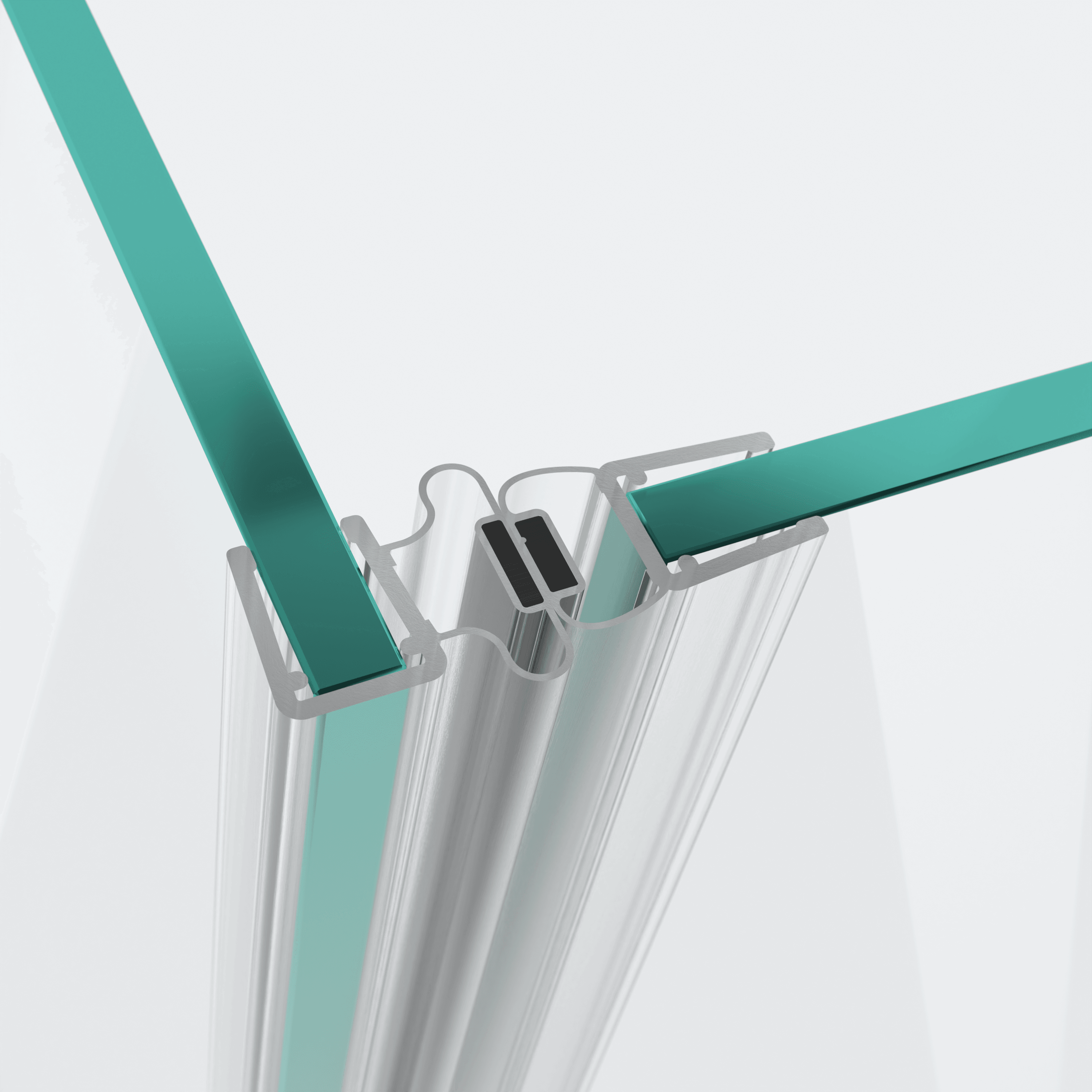
Frequently asked questions about sealing profiles for shower enclosures
What types of sealing profiles are available for shower enclosures?
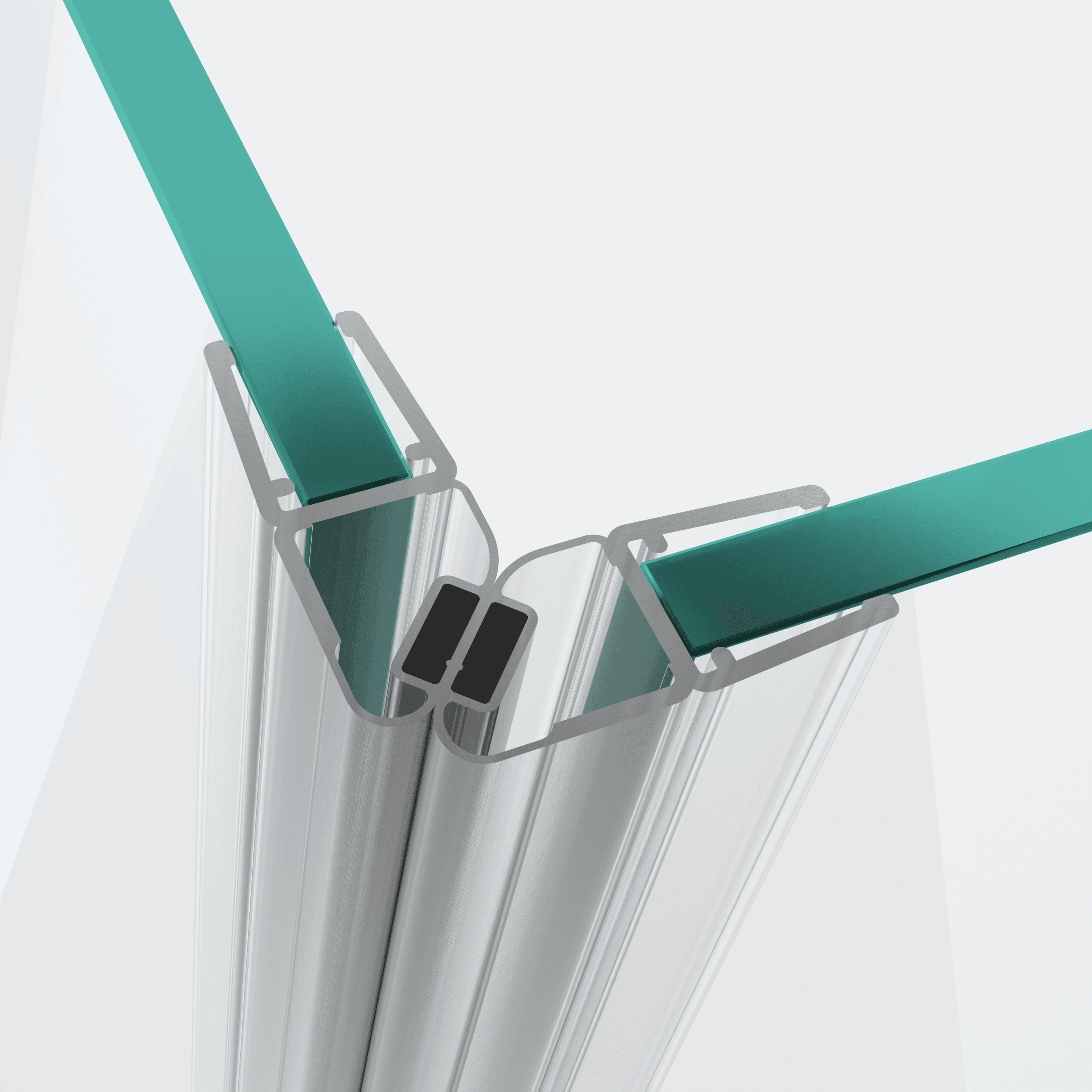
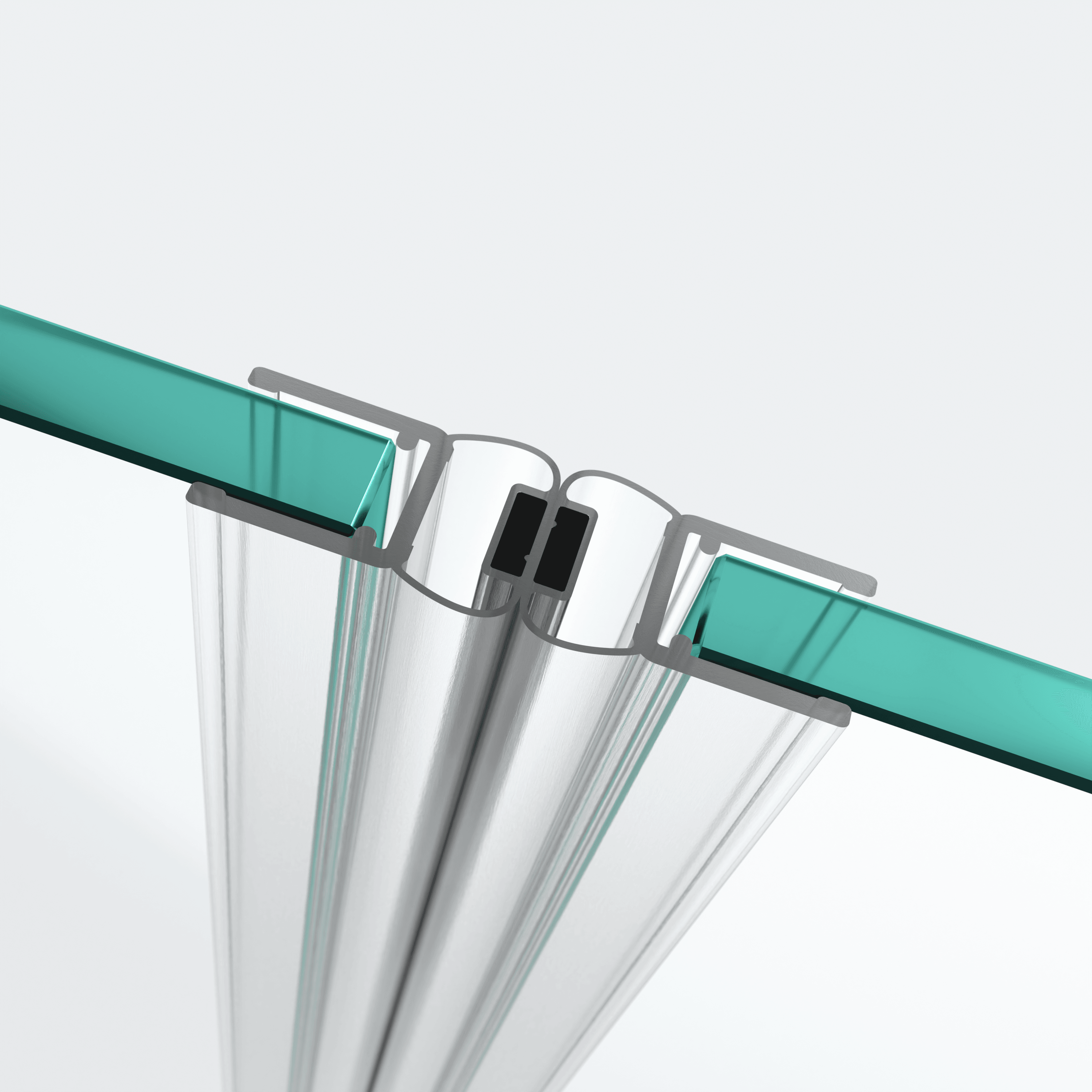
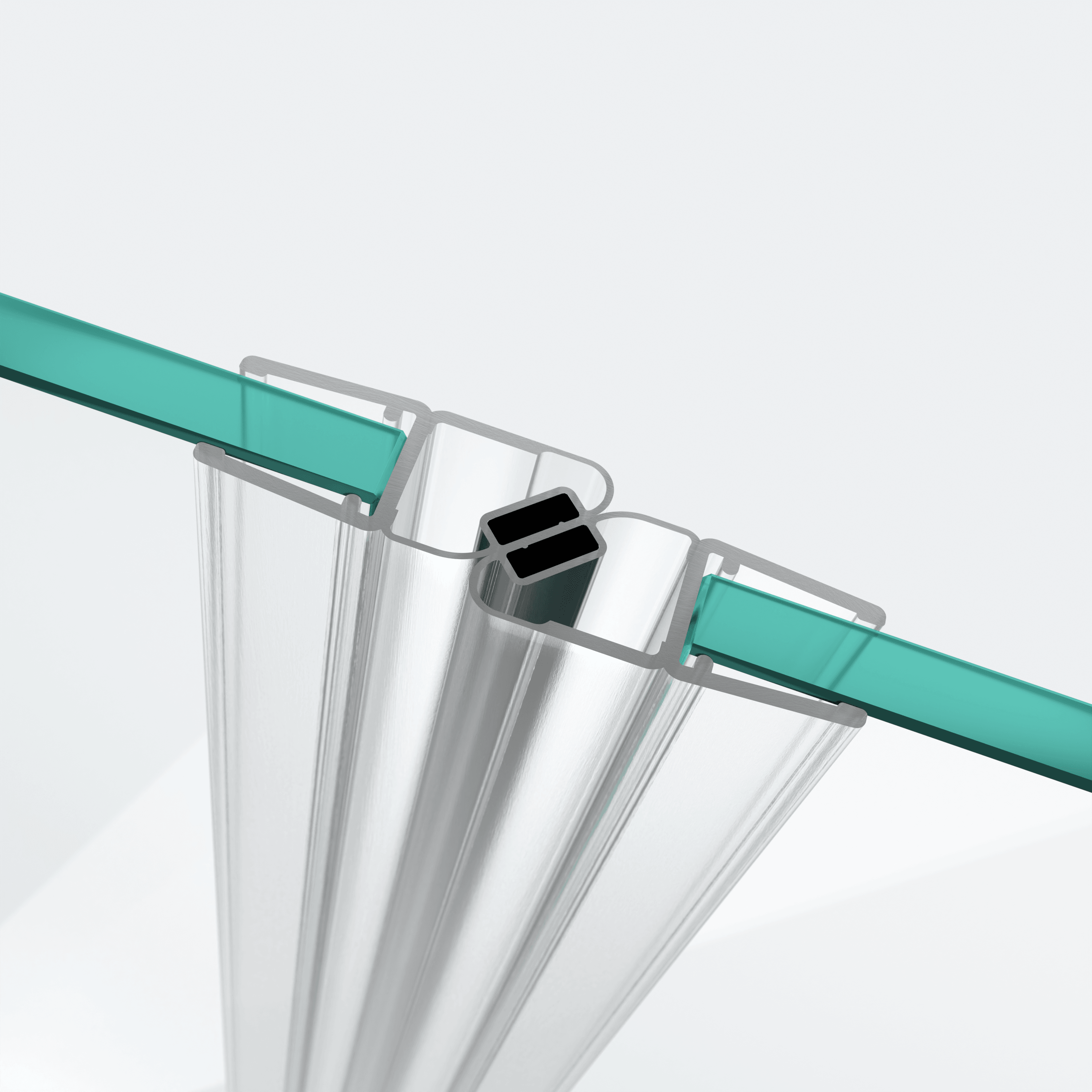
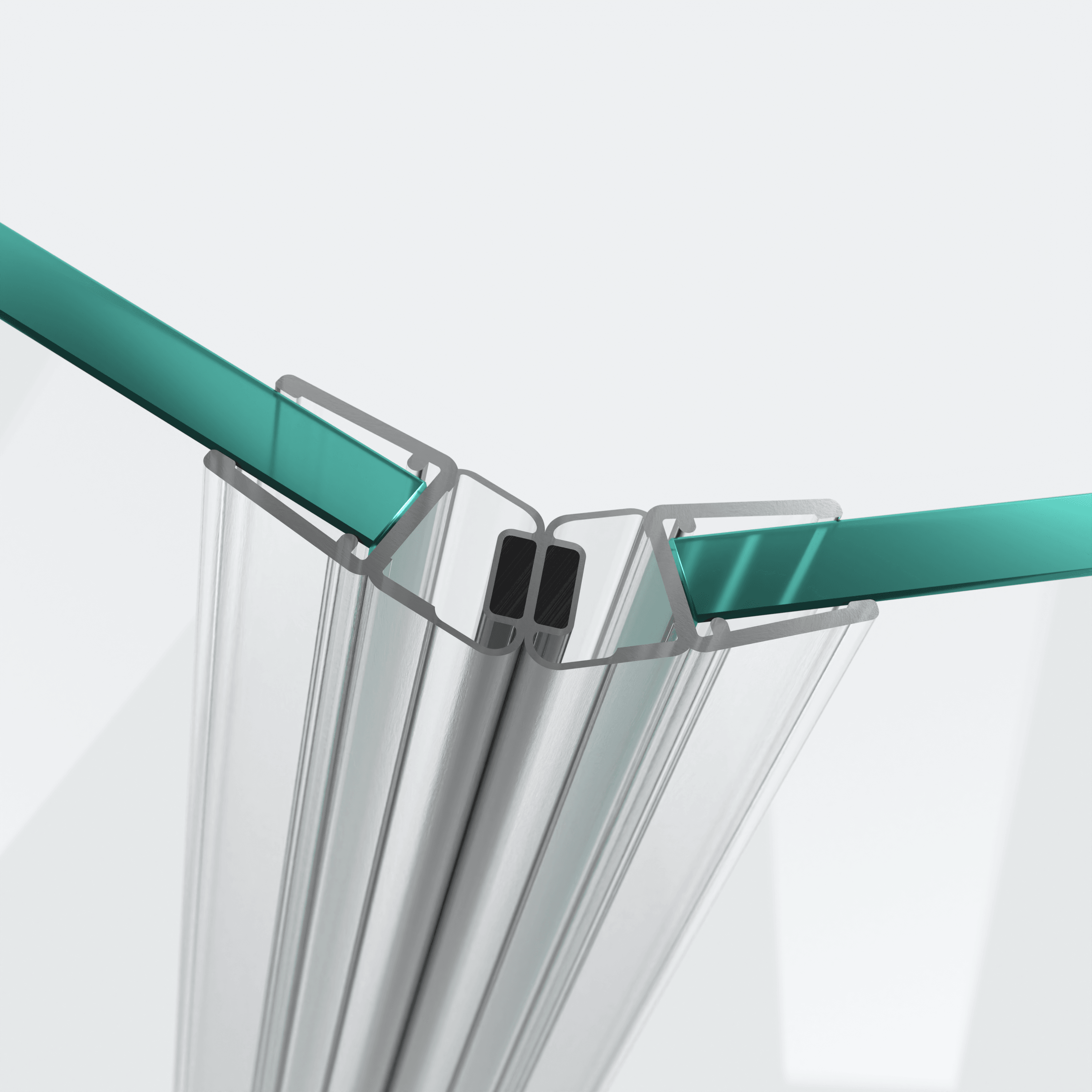
There are various types of seal profiles available for shower enclosures, which are used depending on their position and function. These include, for example, floor seals, sliding lip seals, centre seals, wall seals, stop profiles, hollow-chamber seals and magnetic sealing strips. The type of profile required depends on the design of your shower enclosure.
How do I find the right sealing strip for my shower cubicle?
The key factors are, in particular, the glass thickness, the position of the seal, the profile shape, the required length and, where applicable, the existing gap width. Compare your old seal profile with the technical drawings of the products on offer. You can also use the configurator on Duschdichtungsprofile.de to narrow down your selection.
How do I measure a seal profile for a shower cubicle correctly?
If possible, start by removing the existing profile and measuring the thickness of the glass pane. Then work out the required length. Depending on the position of the seal, the gap between the shower door and the floor, wall or another glass panel may also be important.
When should I replace the seal profiles on my shower cubicle?
It is advisable to replace the sealing profiles if they are brittle, porous, torn, misshapen or heavily discoloured. Water leaking out may also indicate that a seal is worn out, no longer fits properly or is no longer suitable for the installation.
Can I replace the seal strips on a shower cubicle myself?
Many clip-on sealing profiles can be replaced without professional help. Carefully remove the old profile and thoroughly clean the edge of the glass to remove limescale and other residues. The appropriate new sealing profile can then be clipped into place according to the intended position and alignment.