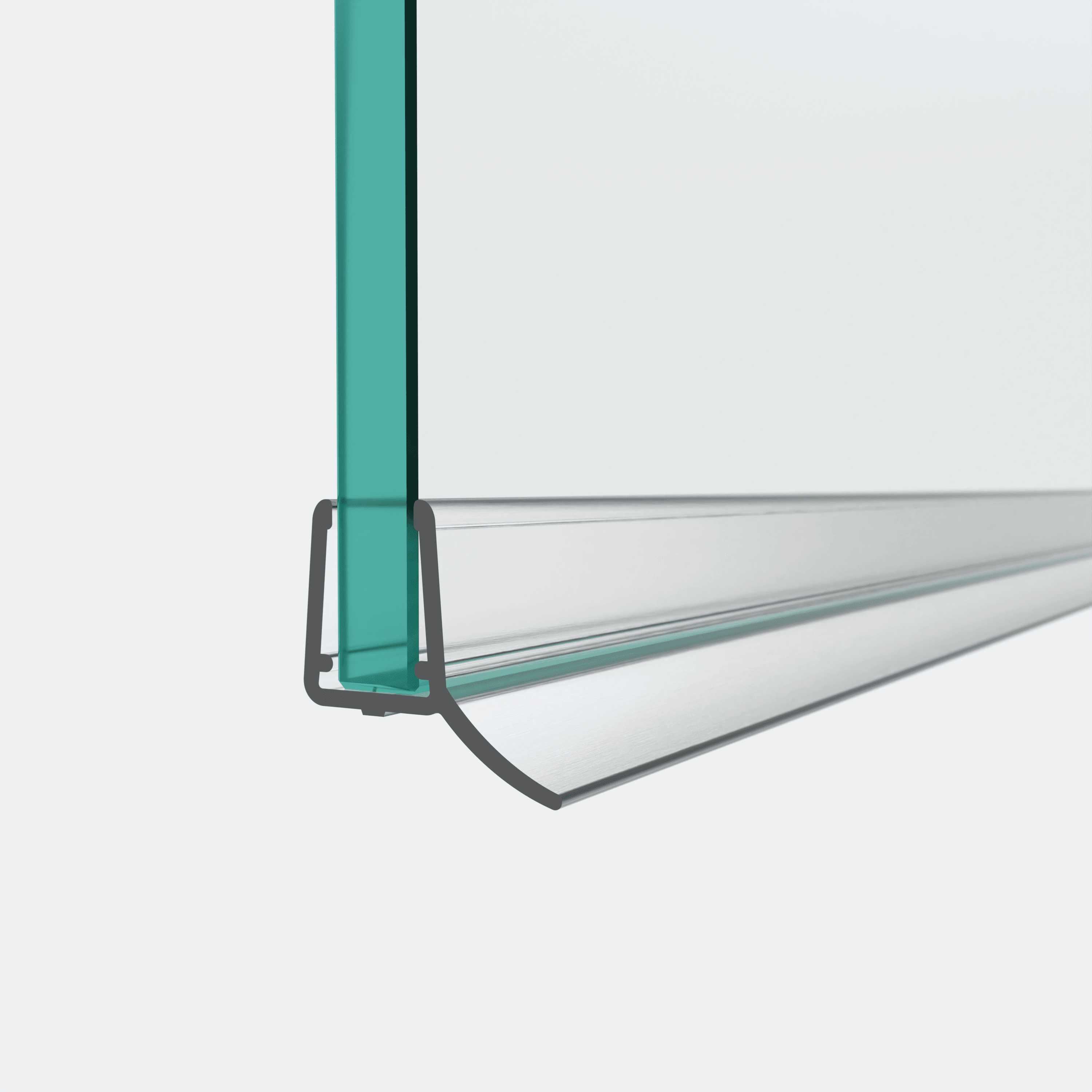
Horizontal sliding door seal
- 6-8 mm
from 15.90 €
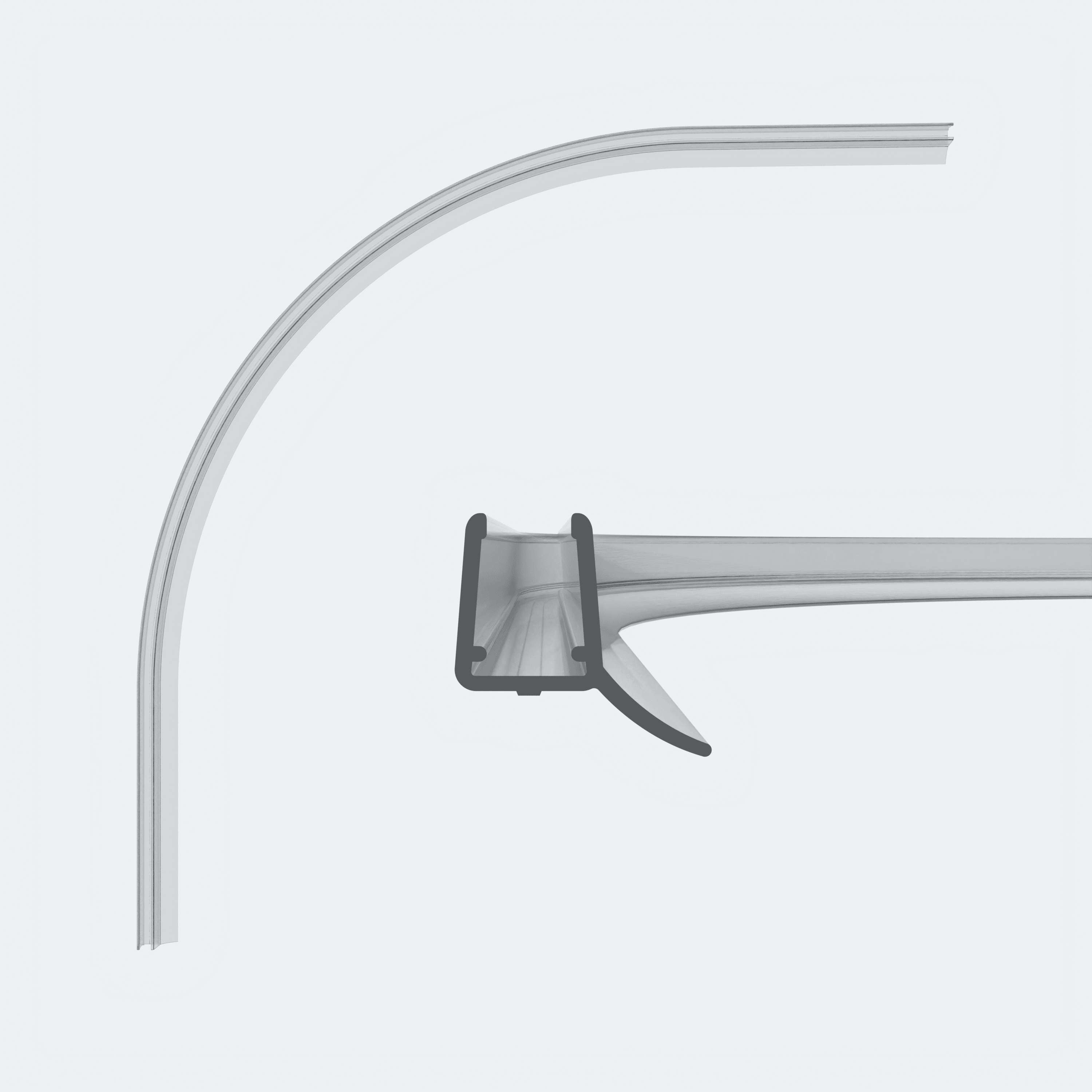
Pre-curved sliding door seal with side deflectors
- 6-8 mm
from 31.75 €
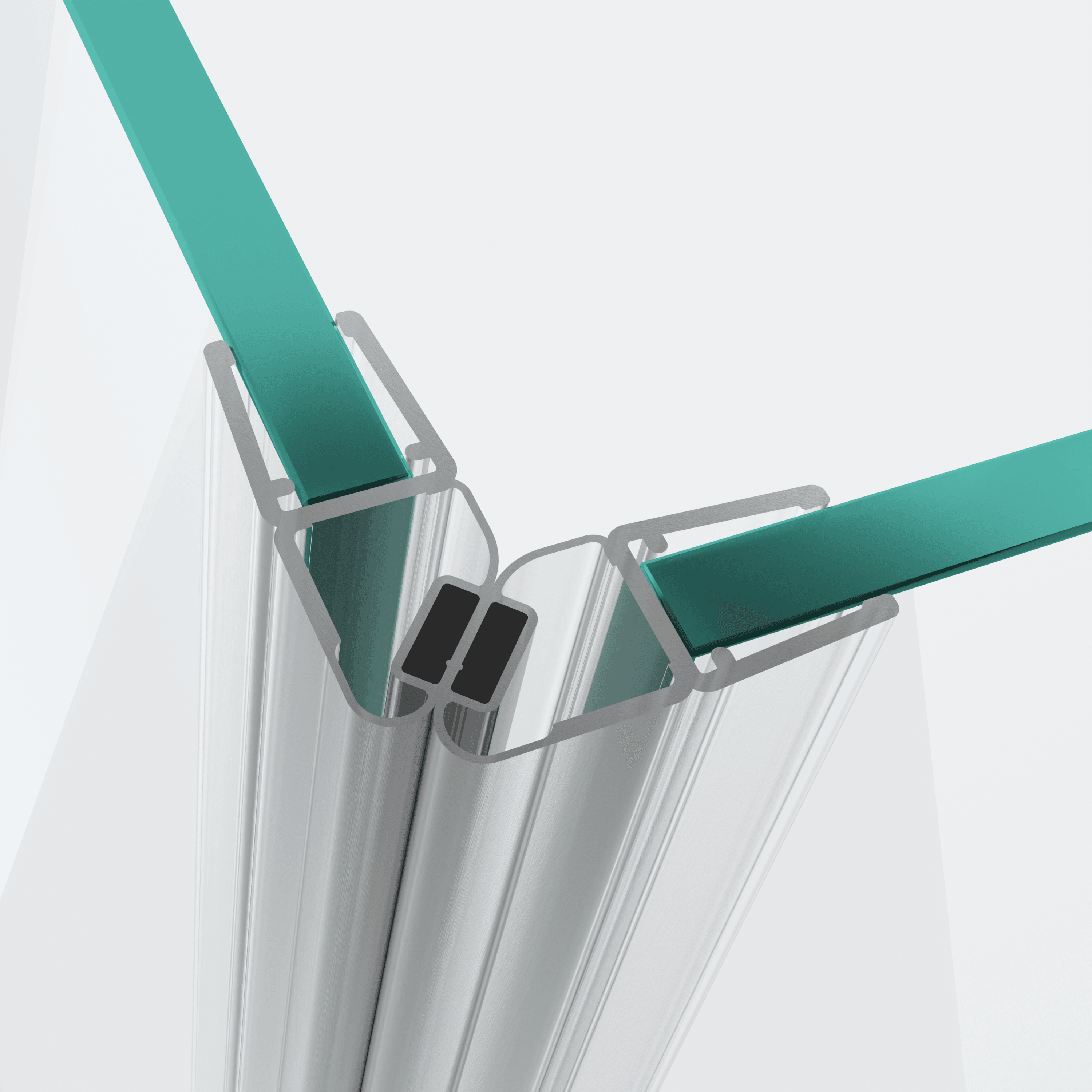
Magnetic seal 90° (set of 2)
- 4-5 mm
- 6-8 mm
from 39.90 €
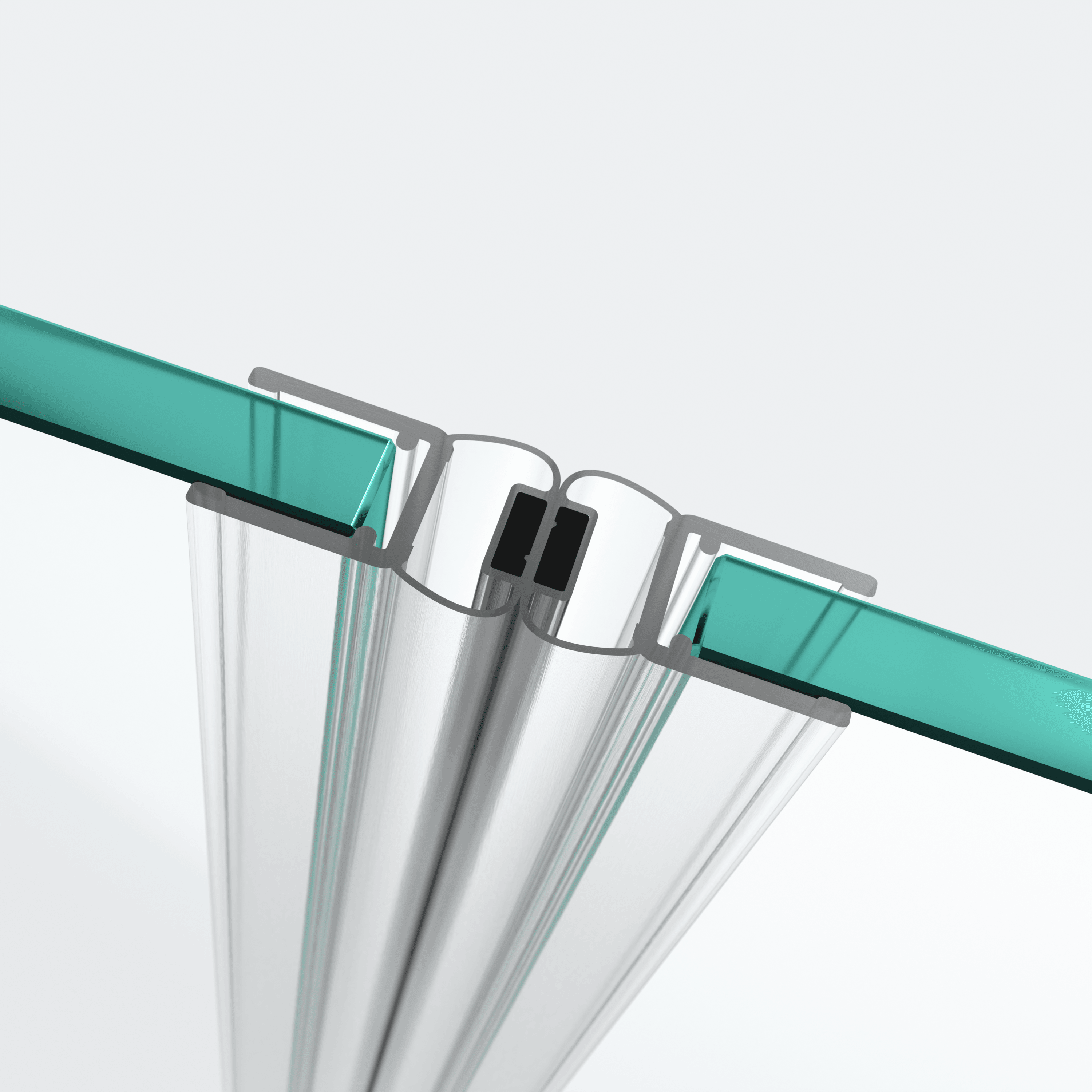
Magnetic seal 180° (set of 2)
- 4-5 mm
- 6-8 mm
from 39.90 €
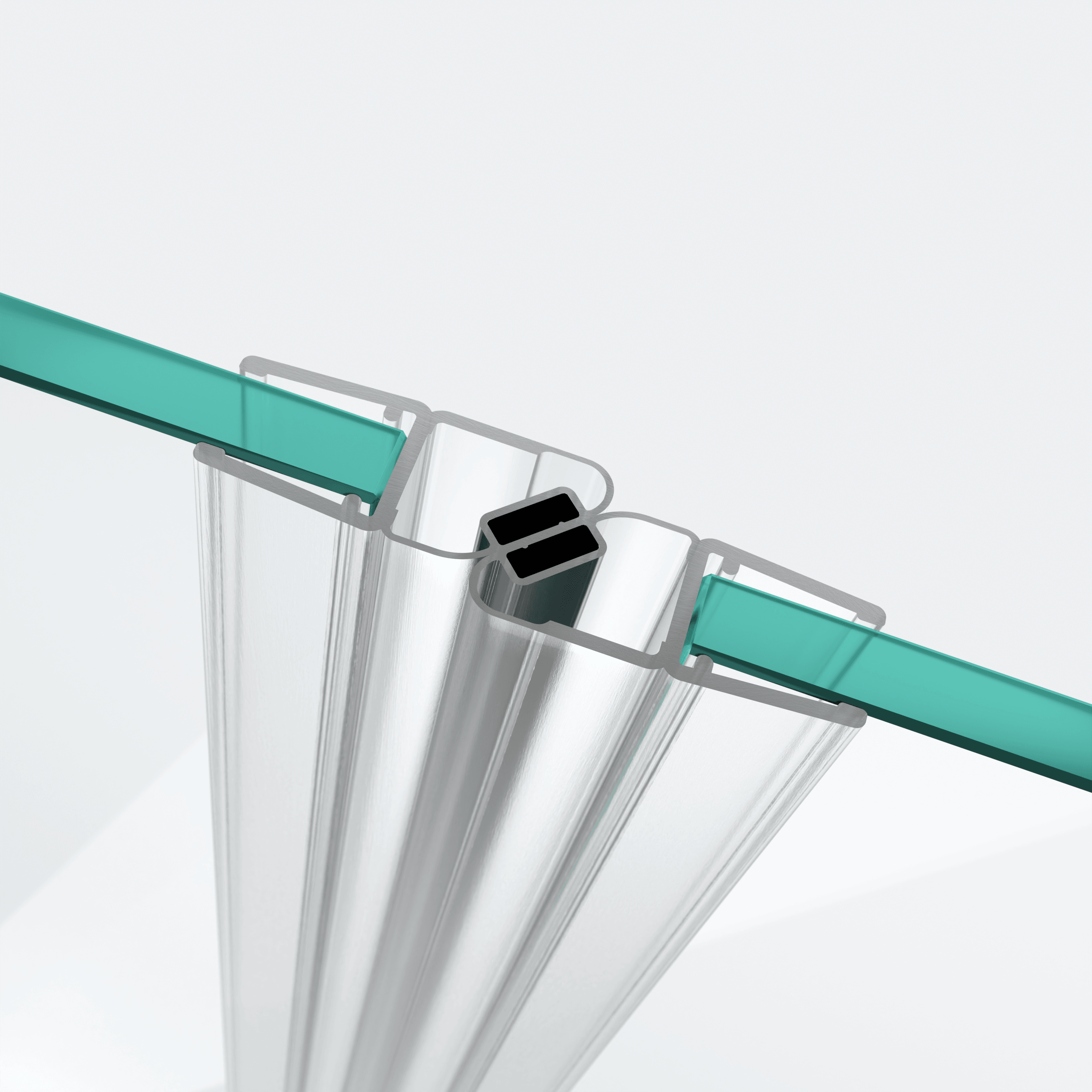
Offset magnetic seal 180° (set of 2)
- 4-5 mm
- 6-8 mm
from 39.90 €
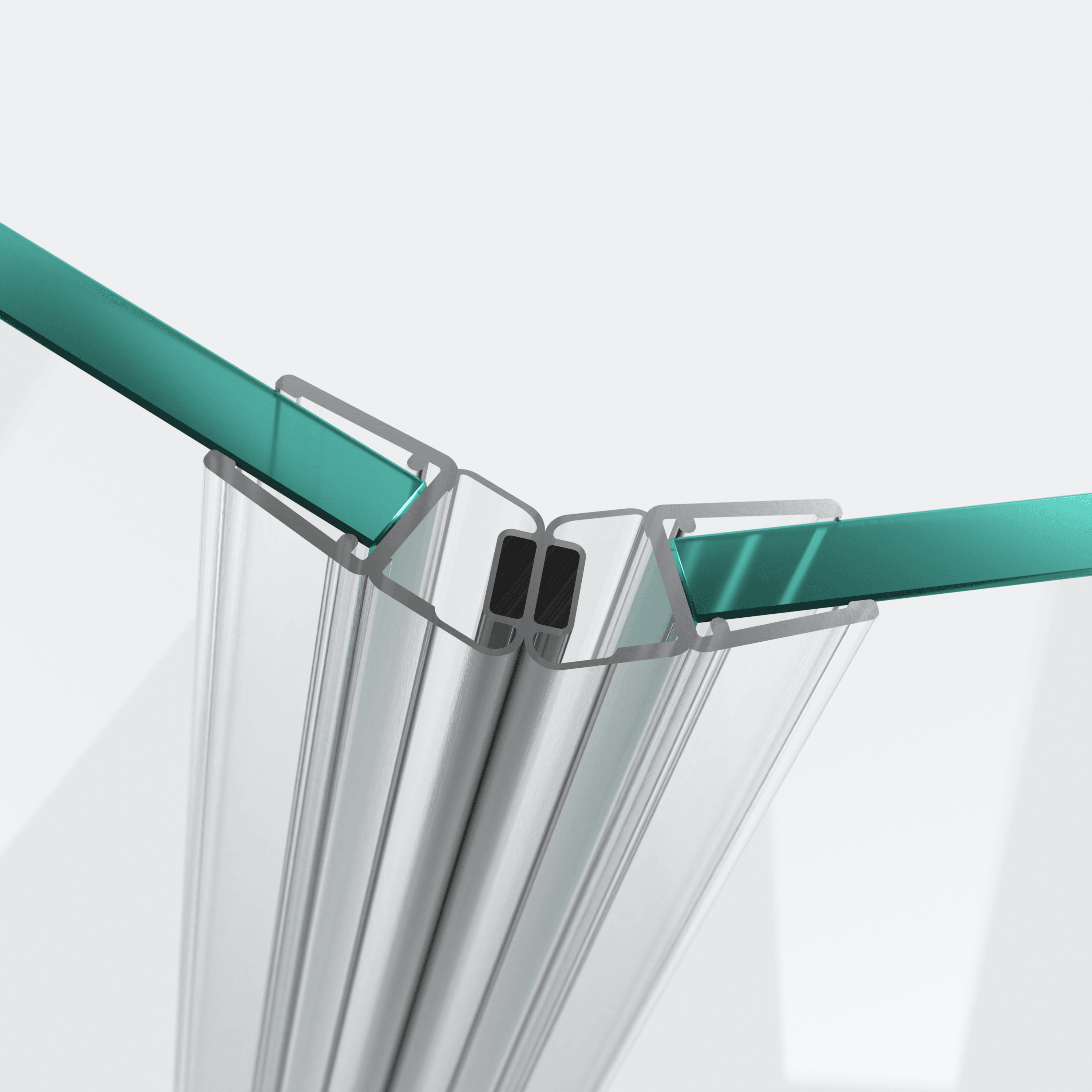
Magnetic seal 135° (set of 2)
- 4-5 mm
- 6-8 mm
from 39.90 €
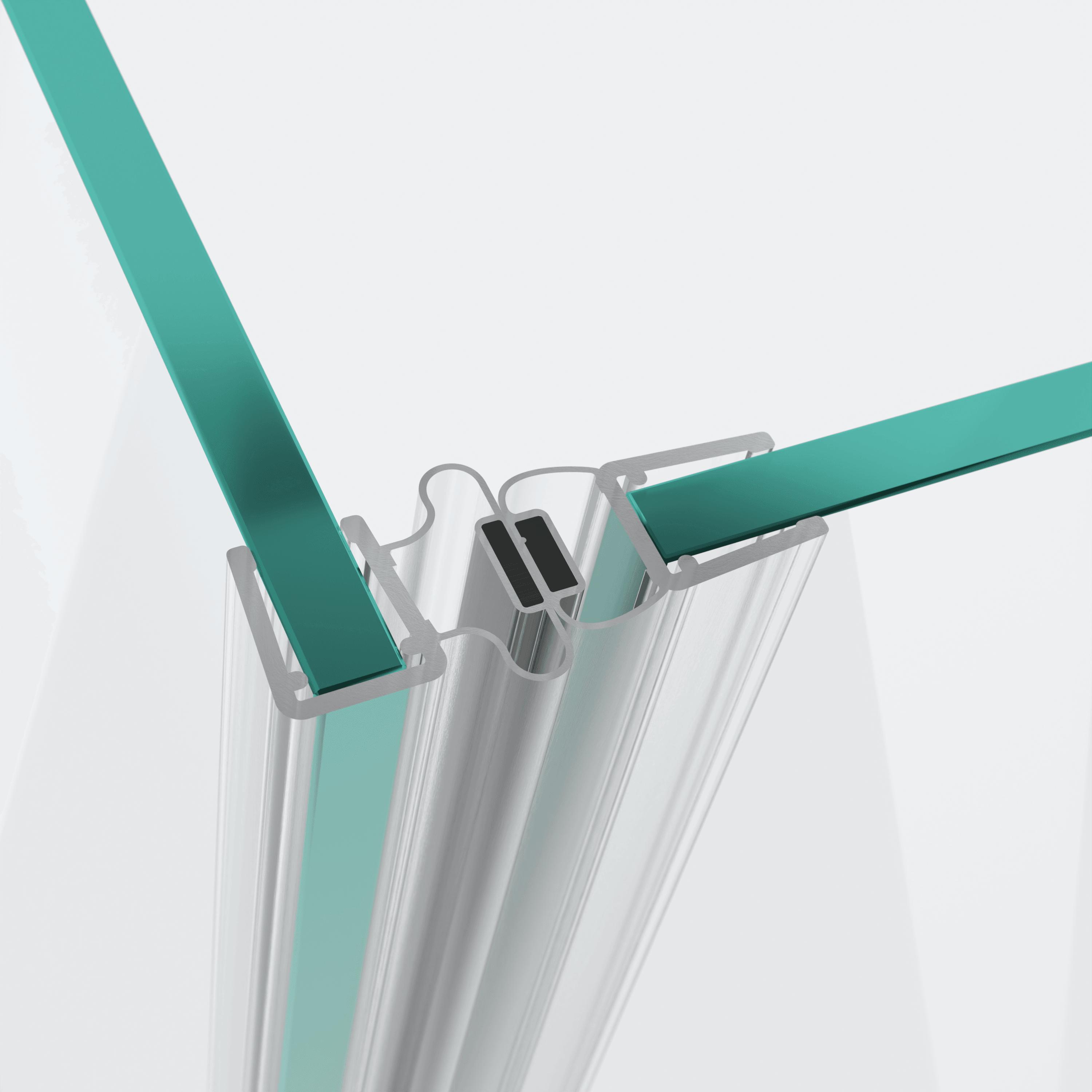
Magnetic seal for 90° swing hinges (set of 2)
- 6-8 mm
from 39.90 €
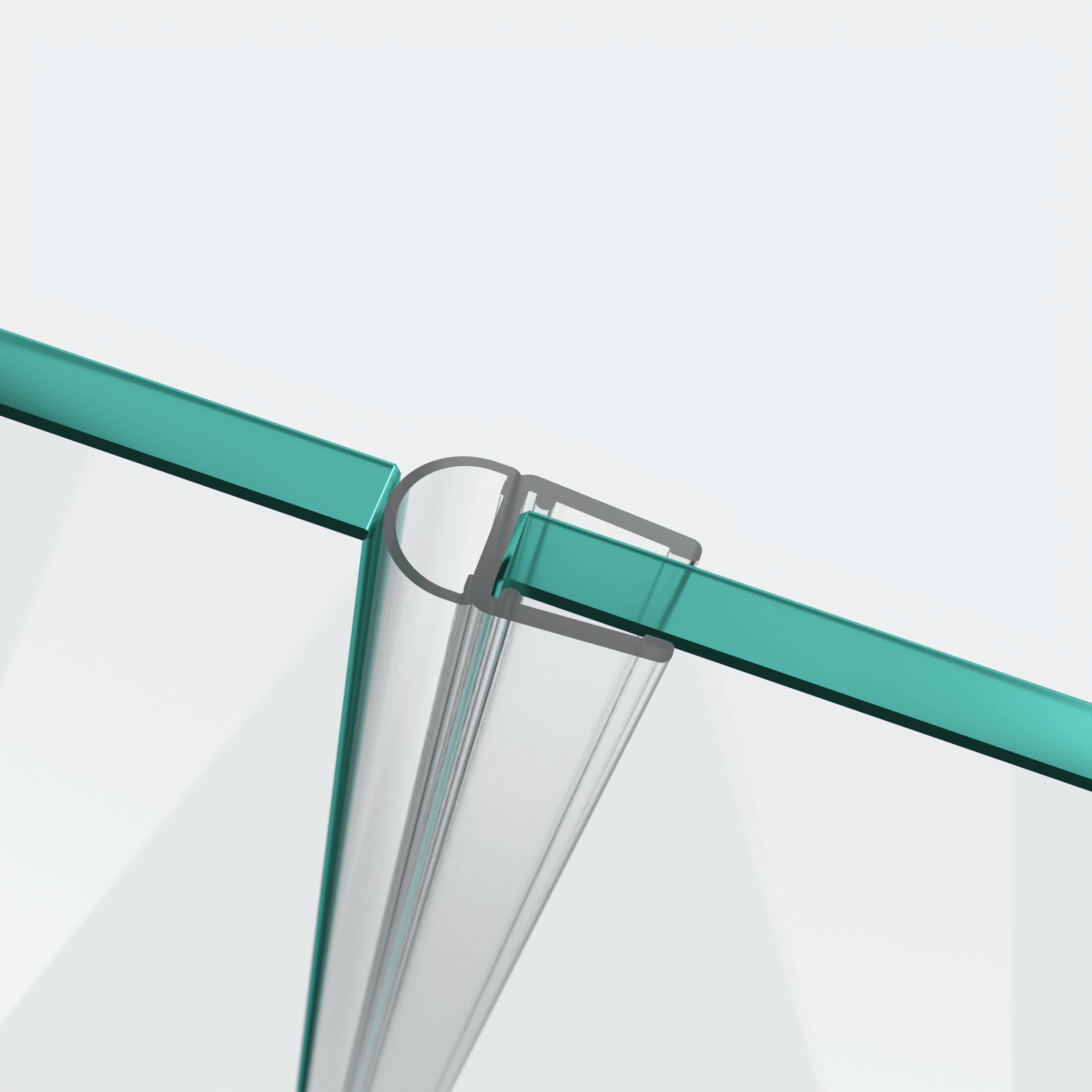
Hollow chamber seal
- 4-5 mm
- 6-8 mm
from 24.90 €
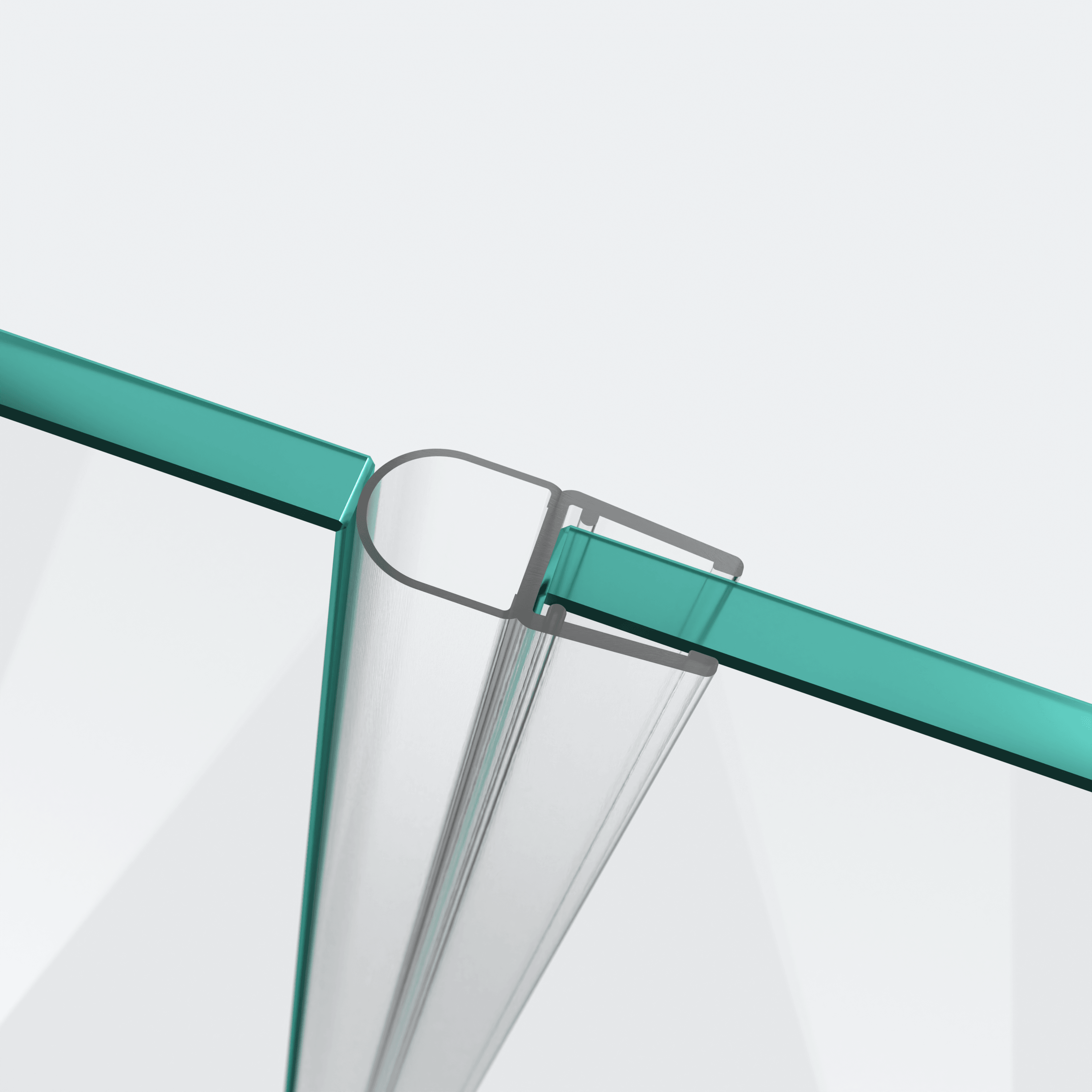
Hollow chamber seal with large sealing bellows
- 6-8 mm
from 24.90 €
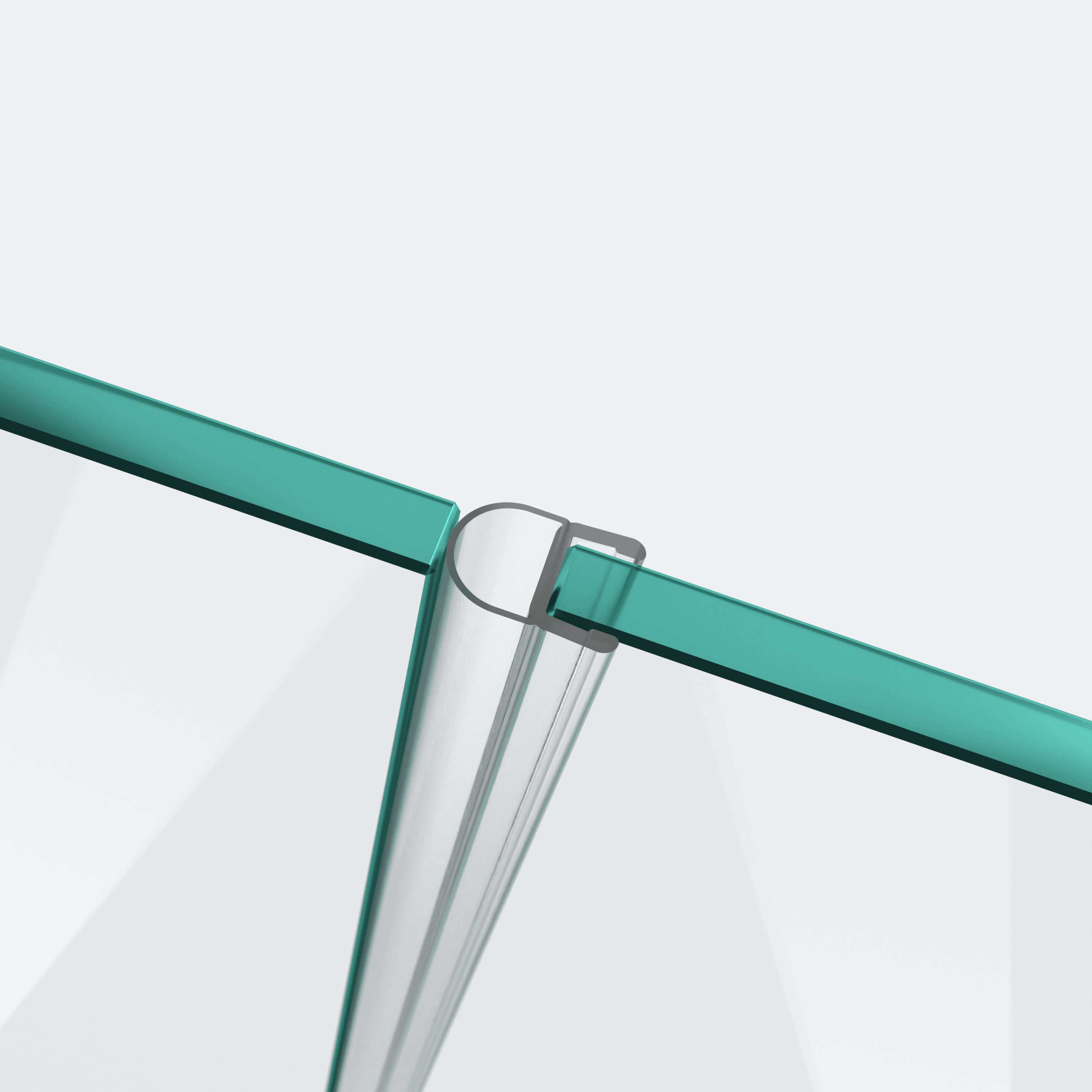
Hollow chamber seal with short glass insertion
- 6 mm
from 24.90 €
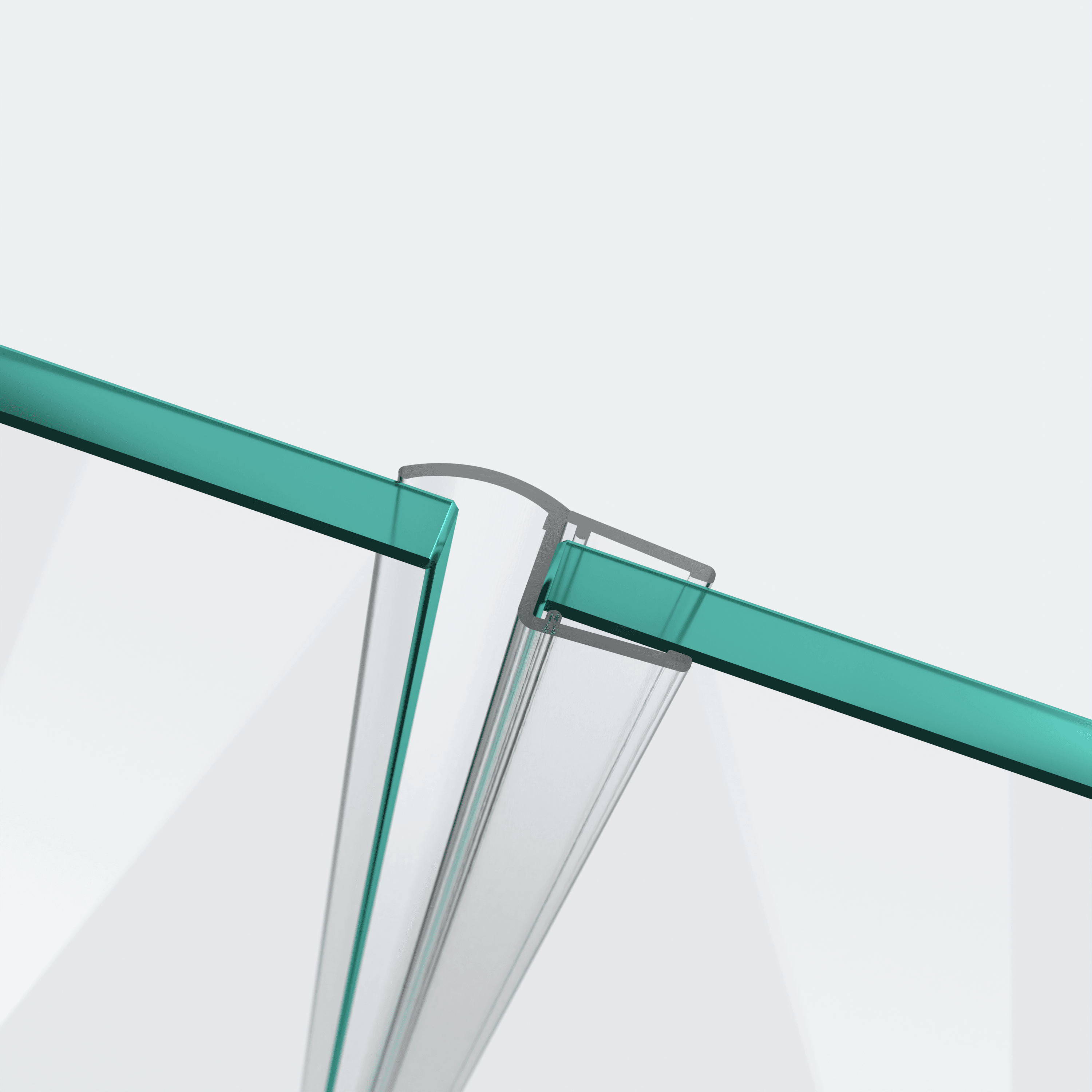
Wall and centre seal
- 4-5 mm
- 6-8 mm
from 24.90 €
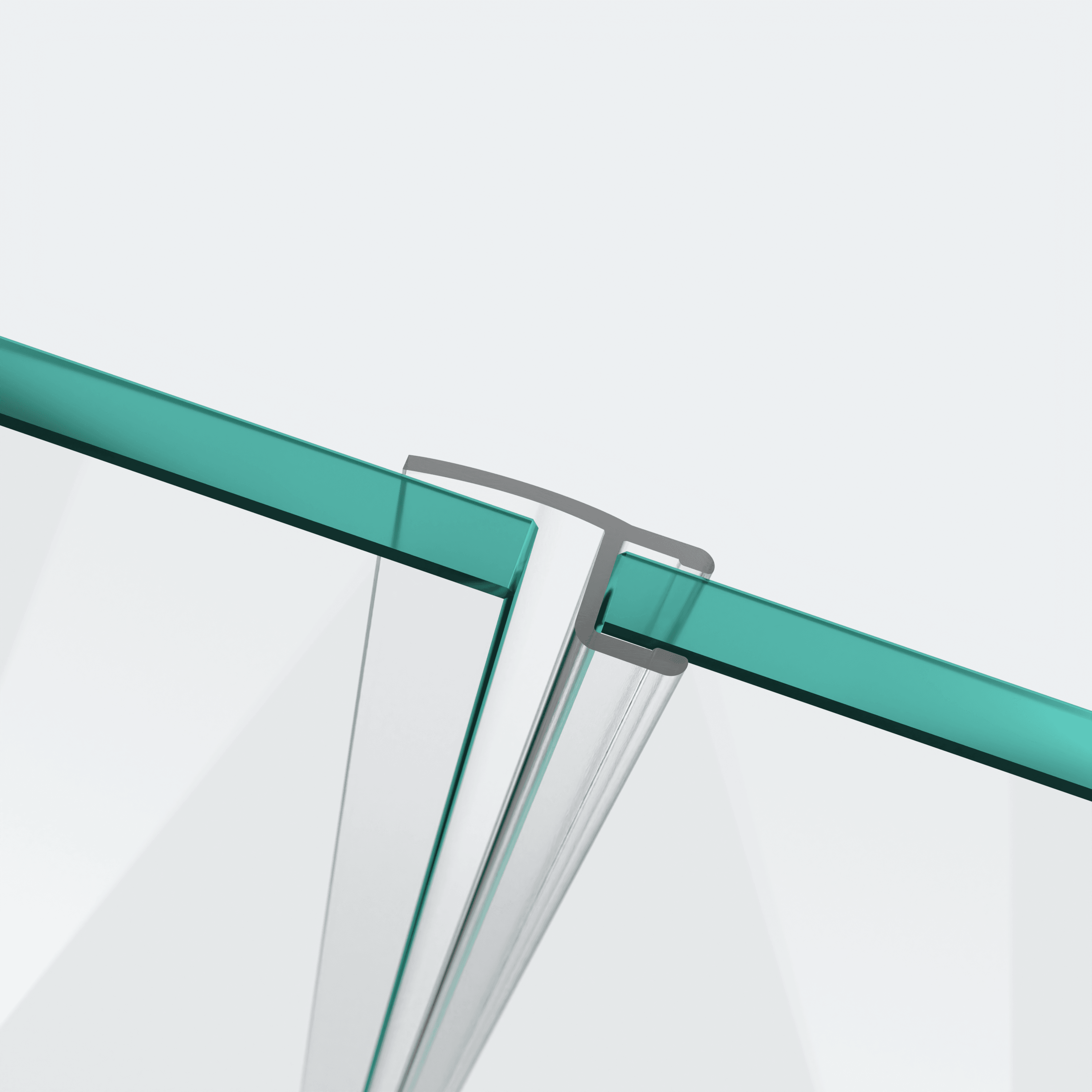
Wall and centre seal with short glass insertion
- 6 mm
- 8 mm
from 24.90 €
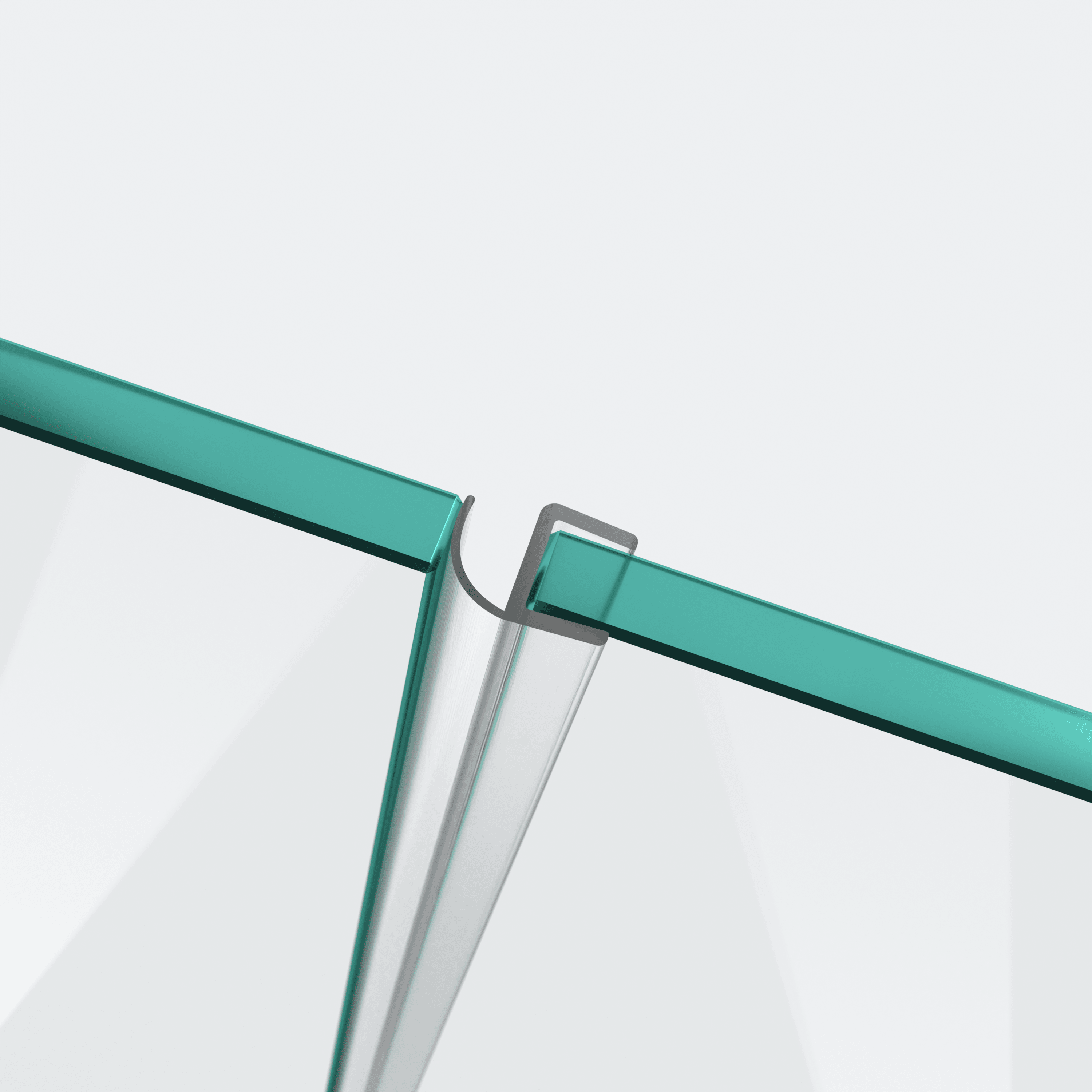
Wall and centre seal with half hollow chamber and short glass insertion
- 6 mm
- 8 mm
from 24.90 €
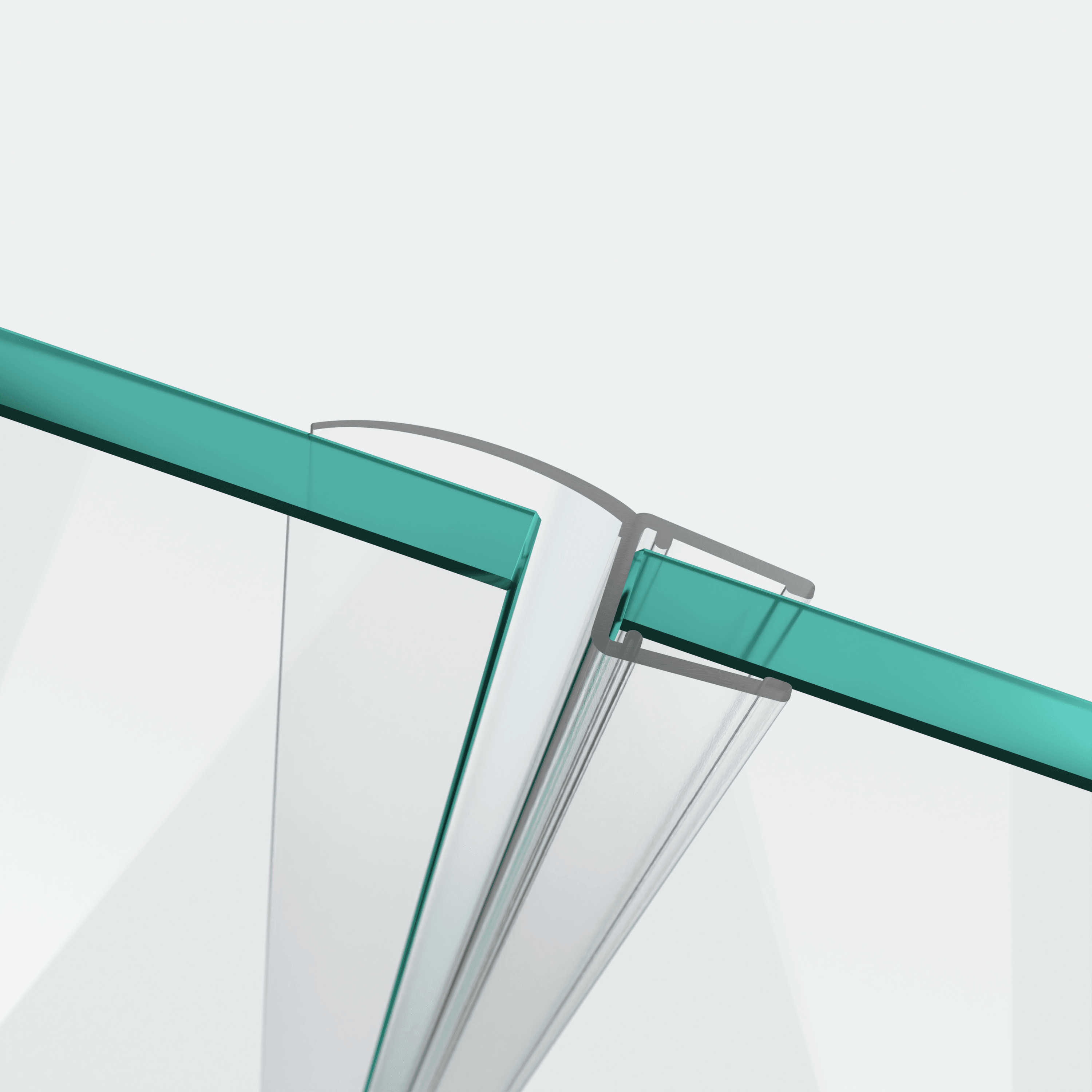
Wall and centre seal with long sealing lip
- 6-8 mm
from 24.90 €
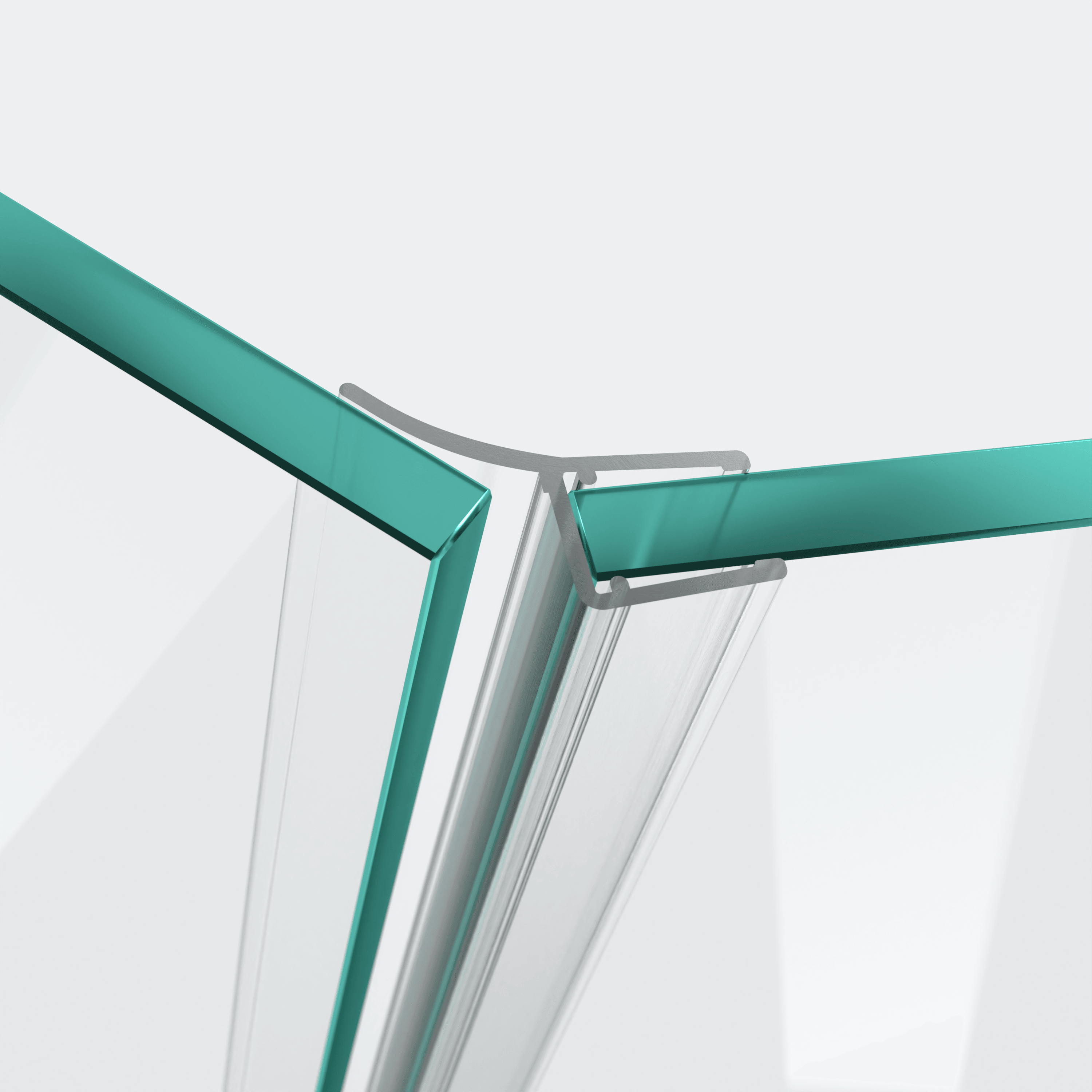
Wall and centre seal with long seal fin 135°
- 6-8 mm
from 24.90 €
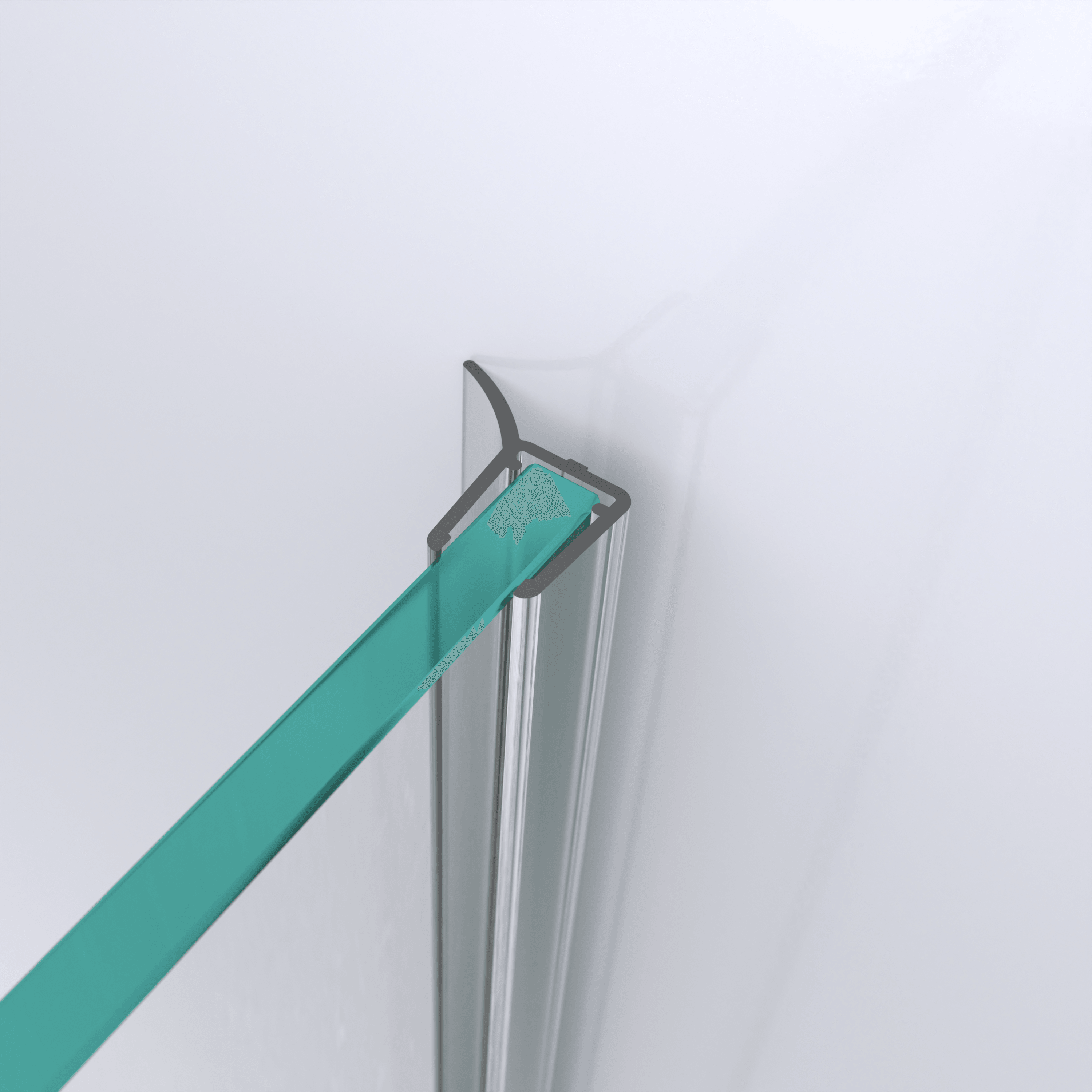
Wall seal
- 6-8 mm
from 24.90 €
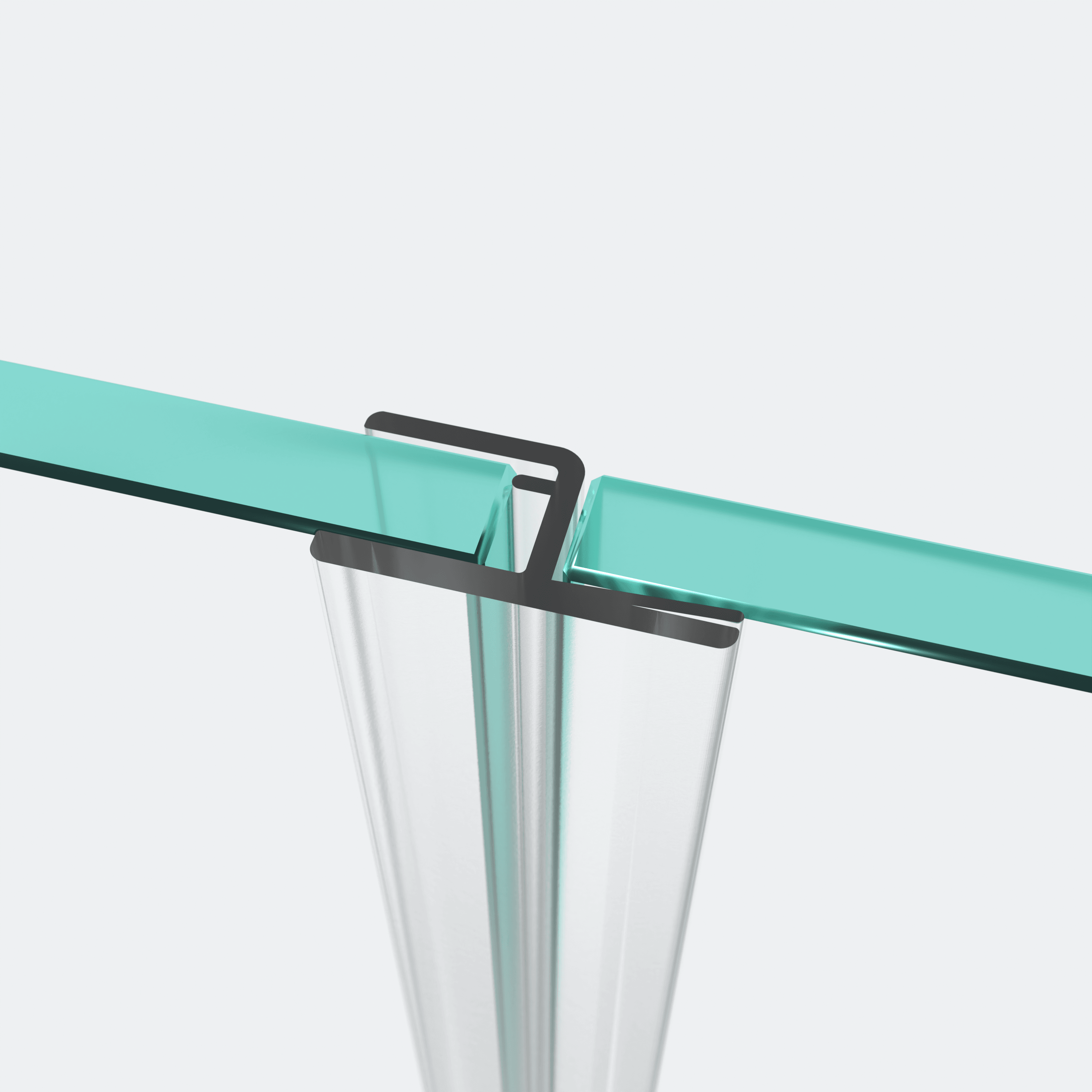
Strike seal
- 6-8 mm
from 24.90 €
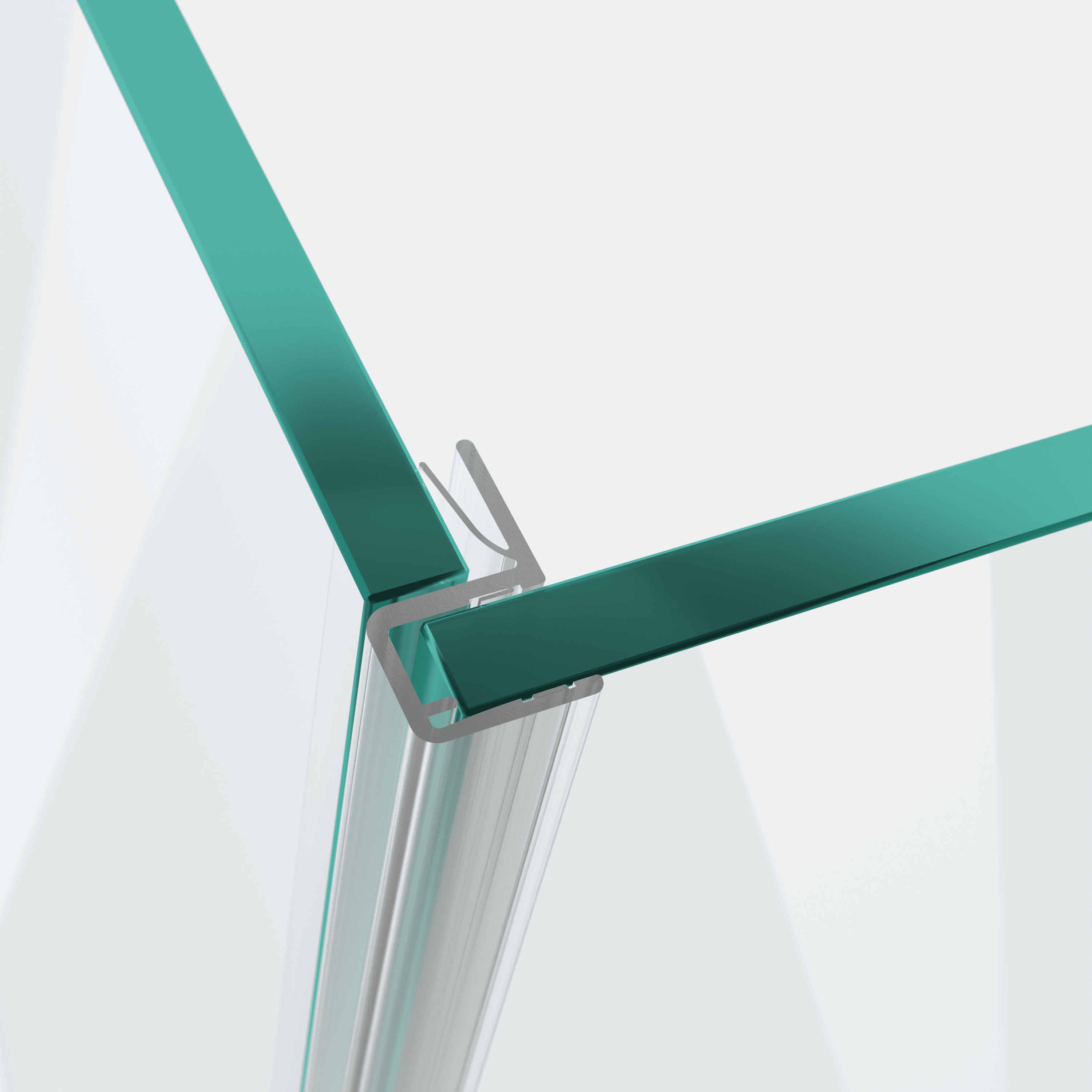
90° corner strike seal
- 6-8 mm
from 24.90 €
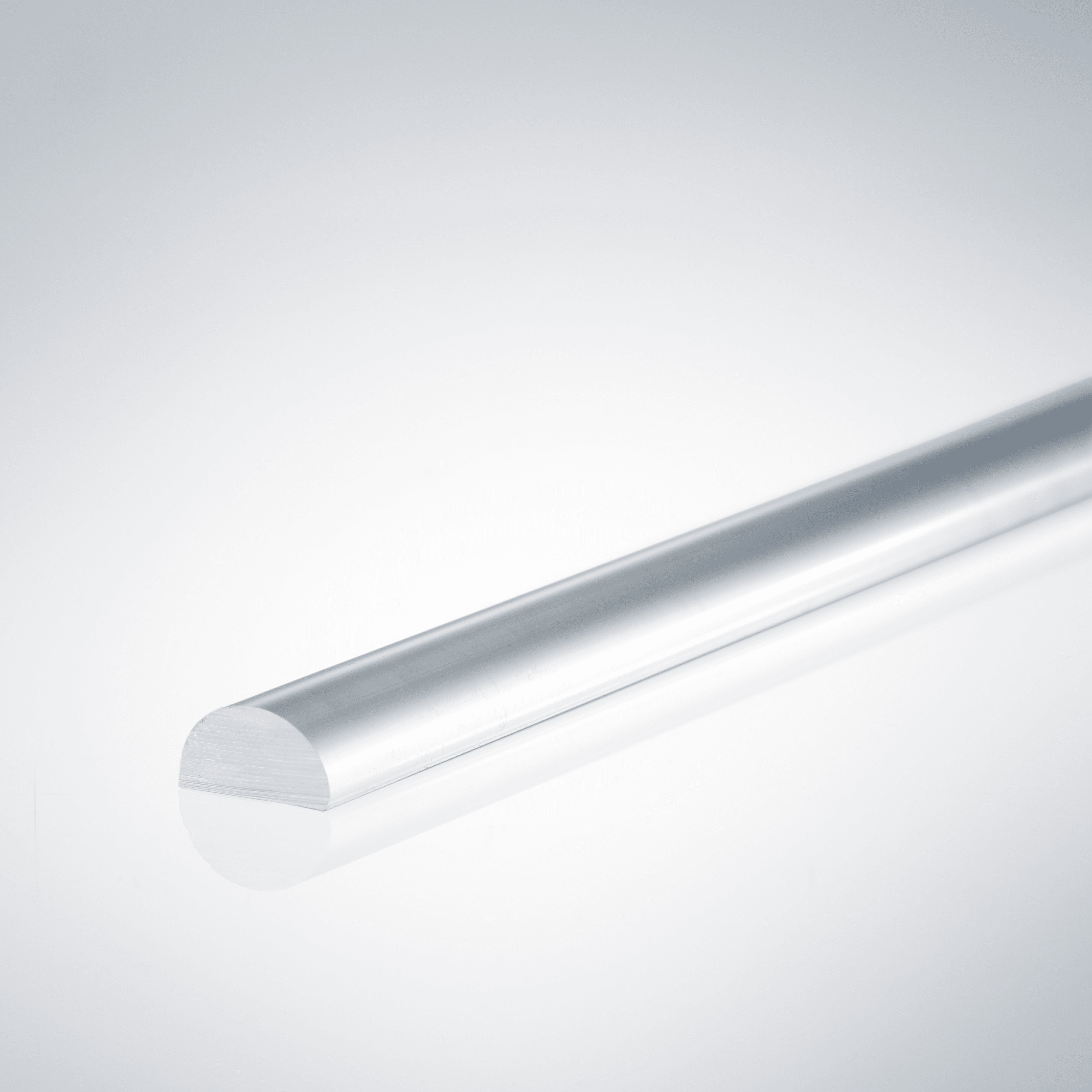
Acrylic half-round rod for 5 mm glass
- 5 mm
from 9.95 €
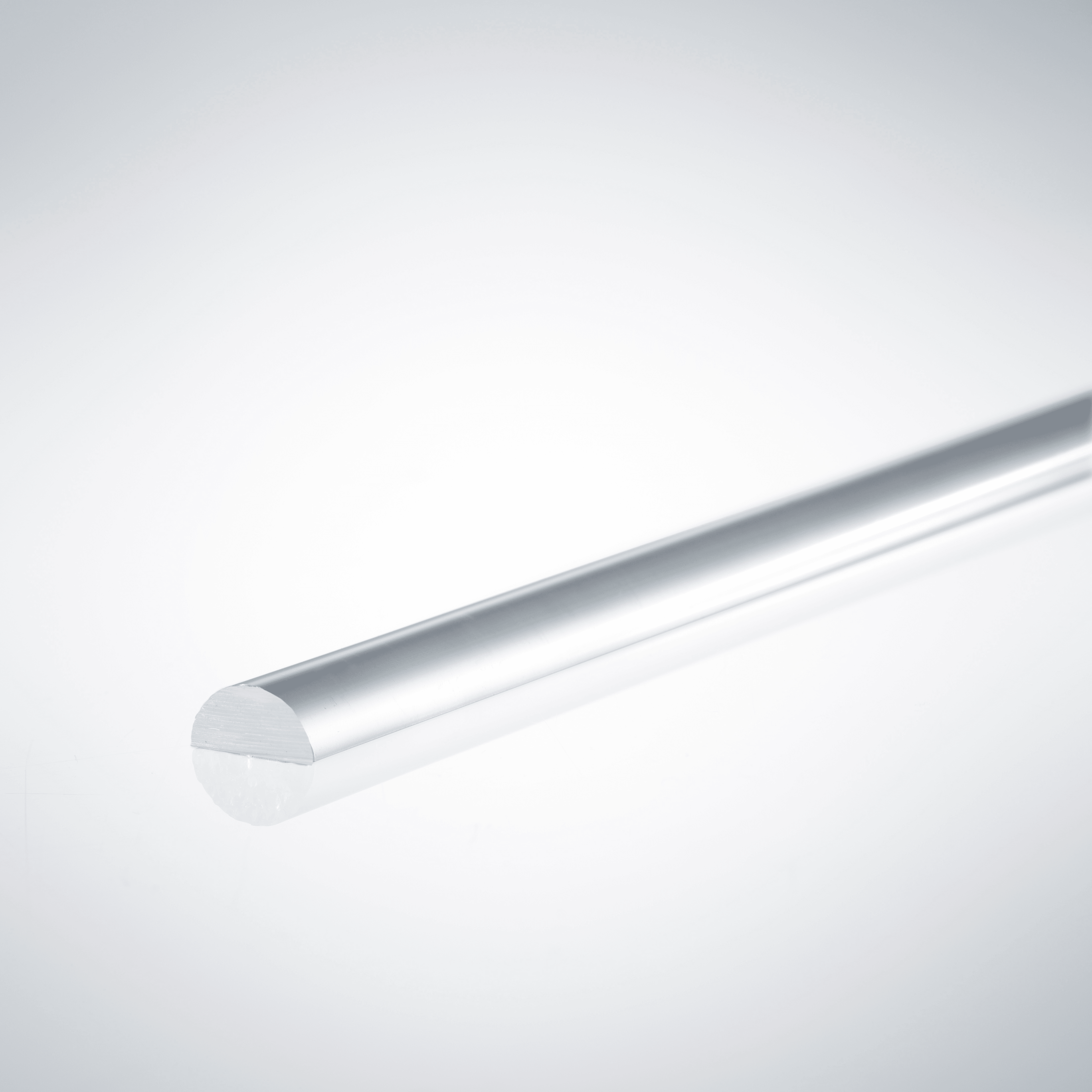
Acrylic half-round rod for 4 mm glass thickness
- 4 mm
from 9.95 €
Shower seal profiles – reliable protection & a high-quality finish
Shower seal profiles are plastic or rubber profiles that reliably seal a glass shower enclosure against the floor, walls and door. They prevent splash water and moisture from escaping through gaps between the glass panels or under the shower door. As such, the right shower seal not only provides a reliable seal, but also ensures that the shower remains in good condition over the long term. Old, porous or discoloured seals can quickly make a shower look neglected. By replacing the shower seal profiles, the shower can look clean and modern again.
When does a shower seal need replacing?
Over time, shower seals can become discoloured, harden or lose their original shape, as they are exposed to water, moisture, limescale and cleaning products on a daily basis.
It is advisable to replace the shower seal profile if:
- Water is leaking from under or beside the shower door,
- the sealing lip is torn or deformed,
- the profile no longer sits properly on the glass pane,
- the shower seal has become porous, or
- where severe discolouration and deposits can no longer be removed.
Many shower seals can easily be cut to the required length and then fitted onto the relevant glass edge. This allows you to replace an old shower seal without having to replace the entire shower enclosure.
Which shower seal profile is the right one?
Depending on the design of the shower and the position of the required waterproofing, various shower sealing profiles are used. In our range you will find:
Sliding lip seals - ideal for use at the bottom edge of shower doors. The flexible sealing lip acts as a seal and splash guard for an all-glass shower.
Magnetic closing strips – ensure that shower doors close reliably thanks to integrated magnetic profiles. Suitable for corner showers and different angles between the glass panels.
Hollow-chamber seals – are used to create a seal between a door and a fixed glass panel. The flexible hollow chamber allows the door to be opened inwards and outwards.
Centre seals – are fitted between a fixed glass panel and the door of an all-glass shower enclosure. They help to prevent water from splashing into the gap between the two glass panels.
Wall seals – seal the sides of a glass shower enclosure and protect against splashes. They are used at the junctions between the glass and the wall.
Stop profiles – are suitable for use between a shower door and a glass panel or another door. They create a defined stop whilst also helping to seal the closing edge.
Acrylic half-round rods – act as water deflectors and stops for shower profiles. They can help to direct water back into the shower area.
Sliding door seals – are specially designed to seal showers with sliding doors. They ensure that the door remains easy to open and close, whilst minimising the amount of splash water that escapes through the gaps.
Determining the correct lens power and the pupillary distance
To ensure that the shower seal profile sits correctly on the edge of the glass and thus provides a reliable seal, it is not only the type of shower seal that matters, but also the glass thickness and the correct gap dimension. The thickness of the glass pane should therefore be measured before purchase. Depending on the shower, seal profiles for glass thicknesses of 4 mm, 5 mm, 6 mm or 8 mm may be required.
Next, the gap dimension – that is, the distance between the bottom edge of the shower door and the floor, or between two glass panels – must be determined. The length of the sealing lip should match this distance to ensure that water is reliably contained.
Choose shower seal profiles to suit your shower
Whether it’s a sliding lip seal, magnetic seal, hollow chamber seal, centre seal, wall seal or sliding door seal – the key thing is that the profile is compatible with the design of your shower.
Before purchasing, therefore, check in particular the position of the seal, the type of door, the glass thickness, the gap size and, where applicable, the angle of the glass panels. This will enable you to select the right shower seal profile and ensure that the shower is once again reliably sealed against water leakage.
Which shower seal profile do I need for my shower?
The correct shower seal profile depends on the position of the seal, the type of door, the glass thickness, the gap size and, where applicable, the angle of the glass panels. For example, sliding lip seals are suitable for the bottom edge of a shower door, whilst other types of seal are required for side joints.
How do I work out the correct glass thickness for my shower seal?
Measure the thickness of the glass pane as accurately as possible at a freely accessible edge of the glass. Depending on the shower, you may need shower seal profiles for glass thicknesses of 4, 5, 6 or 8 mm, for example. It is important to use the correct glass thickness to ensure that the profile sits securely on the edge of the glass.
What is the gap size for a shower seal?
The gap dimension refers to the distance that the seal is intended to bridge. This could, for example, be the distance between the bottom edge of the shower door and the floor or the shower tray, or between two glass panels. The sealing lip should be selected to suit this distance.
When should a shower seal profile be replaced?
A shower seal should be replaced if it is porous, torn, misshapen or heavily discoloured. It is also advisable to replace it if the seal no longer fits properly against the glass panel or if water is leaking from the shower.
What are the different types of shower seals?
Depending on the application, options include, amongst others, sliding lip seals, magnetic sealing strips, hollow chamber seals, centre seals, wall seals, stop profiles and sliding door seals. Which type is required depends on where and how the shower is to be sealed.